Distressed American Flag SVG
A Designer’s First Look: Raw, Patriotic, and Ready for Real Fabric
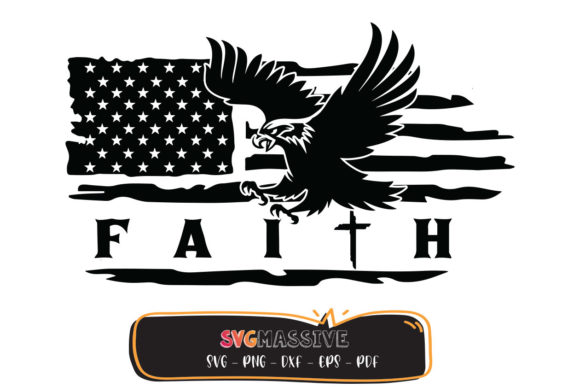
When I opened the Distressed American Flag SVG, my first thought wasn’t “cute” or “trendy”—it was “this feels like a real thing you’d stitch on a well-worn apron or a weekend tote bag.” The distressing isn’t overdone; it’s subtle—like soft weathering along the edges, faint texture in the stars, and gentle breaks in the stripes. It avoids looking like a filter slapped onto a stock image. That matters. Because in embroidery, especially for handmade product lines or boutique merchandise, authenticity reads before accuracy does.
Where This Design Earns Its Keep—Not Just Its Place
I recently used the Distressed American Flag SVG as the centerpiece for a custom embroidered canvas tote bag—meant for a local farmers’ market vendor who wanted something patriotic but grounded, not flashy. The design scaled cleanly to 4.2 inches wide, sat comfortably in a standard 5×7 hoop, and held up beautifully across three fabric types: medium-weight cotton duck, linen-blend tea towel fabric, and a slightly brushed poly-cotton blend. On all three, the distressed elements translated into soft satin-stitched borders and intentional fill-stitch gaps—not glitches, but character.
It works especially well for sweatshirt embroidery and tote bag design because the visual weight sits low and stable: no thin, fragile lines that vanish under dense stitching, no tiny star points that blur at small sizes. I’ve seen too many “flag” designs collapse when stitched on textured fleece or looped terry—this one doesn’t. The stars are grouped, not isolated; the stripes have breathing room between them. That’s thoughtful layout—not just vector tracing.
What to Watch For (Because Real Fabric Isn’t Perfect)
That said—Distressed American Flag SVG isn’t magic. It shines on stable, medium-to-heavy fabrics, but tread carefully on stretchy fabric, thin fabric, or anything with high nap. I tested it on a lightweight baby onesie (100% cotton jersey) and found the distressing lost definition without extra cutaway stabilizer and reduced stitch density. Same goes for curved surfaces like caps: the lower stripe curve pulled slightly on the front panel—I adjusted the placement upward by 1/8 inch and added a light tear-away layer beneath the crown seam. Small tweaks, yes—but worth noting if you’re prepping for a craft fair batch of hats or personalized gifts.
Also: avoid cramming it into sub-3-inch hoops unless you’re using it as a subtle accent—say, on a pocket or a corner of a pillow cover. At under 2.5 inches, some of the intentional “breaks” in the distressing start to read as stitching errors instead of design intent. And on dark fabric, test your thread colors early. Navy or charcoal backgrounds need slightly brighter red and navy threads to keep the contrast legible—not just technically stitched, but *seen*.
How It Shapes Your Finished Product—and Your Customer’s Experience
This isn’t just about whether the stitches line up. It’s about how the Distressed American Flag SVG affects perceived value. A crisp, glossy flag says “mass-produced.” This one says “made with intention.” That difference lifts the whole handmade product. I’ve watched customers pause longer at a shelf of embroidered tea towels featuring this design—not because it’s louder, but because it feels more personal, more tactile. That translates directly to giftability, brand consistency, and repeat Etsy orders.
For Etsy sellers and small shop owners, that nuance builds trust. When someone buys a custom embroidered patch or a holiday embroidery kit with this file, they’re not just buying pixels—they’re buying a mood, a story, a quiet nod to heritage without shouting. That’s why it performs well in printable mockups too: even in grayscale, the layered texture reads clearly. Try flipping it to black-and-white in your design software—you’ll see how much clarity holds up without color crutches.
Practical Notes Every Embroidery Designer Should Run Through
- Test first—always—on scrap fabric matching your final project’s weight and stretch.
- Check stitch density: if your machine flags heavy fill areas, reduce density slightly rather than shrinking the entire design.
- Confirm hoop size compatibility before digitizing or sending to production—especially if pairing with text or secondary graphics.
- Inspect corners and star clusters at actual stitch-out size—not just on screen. What looks clean at 200% zoom may feather on fabric.
- Use proper stabilizer: medium cutaway for knits, tear-away for stable wovens, and a light film for delicate items like baby embroidery.
- Review licensing: since this is listed as a Graphics file from SvgMassive, confirm whether commercial use (e.g., selling finished embroidered patches or digital embroidery files) is permitted before listing on your craft business storefront.
Final Thought: It’s Not Just a Flag—It’s a Design Decision
The Distressed American Flag SVG won’t suit every project—and that’s its strength. It’s not a neutral background element. It carries tone, texture, and quiet confidence. Use it where you want warmth over polish, character over precision, and handmade honesty over generic flair. Whether you’re building a commercial embroidery catalog, launching a personalized gift line, or stocking a holiday booth with small shop product ideas—it earns its place by showing up fully, not just filling space.
If you’re evaluating it for your next embroidery project, ask yourself: does this support the feeling I want my customer to take home? Not just what it looks like—but what it *feels like*, once stitched, washed, worn, and lived with. That’s where the Distressed American Flag SVG delivers—not as decoration, but as intention made tangible.